
The dynamics of stock markets are influenced by a complex interplay of various factors, including investor sentiment, economic indicators, geopolitical events, and more. One significant factor that can impact stock markets is the actions and behaviors of foreign institutional investors (FIIs) and domestic institutional investors (DIIs). FIIs and DIIs often play opposing roles in the stock market. FIIs, as the name suggests, are institutional investors from foreign countries who invest in the stock markets of another country, such as India. On the other hand, DIIs represent domestic institutional investors, which include mutual funds, insurance companies, and other financial institutions operating within the country.
The stock market often experiences fluctuations and movements based on the collective actions of these two types of investors. When FIIs are actively selling their positions in the market, it can lead to a negative impact on stock prices and overall market sentiment. Conversely, when DIIs are buying stocks, it can provide support to the market, helping to stabilize or drive up prices. Investors are closely watching these opposing trends in the market, as they are anticipating a period of consolidation in the stock market until December. This period aligns with the announcement of Assembly election results, a time when market participants typically tread cautiously due to the uncertainty that elections can introduce.

Moreover, recent geopolitical tensions have added an extra layer of volatility to the stock market. Geopolitical events, like conflicts or diplomatic developments, can create sudden swings in stock prices and affect market sentiment. The anticipation of this continued volatility reinforces the belief that the market is likely to remain range-bound in the short term. The upcoming festive season in November 2023 and the Assembly elections are critical milestones that investors are monitoring. The performance of the stock market during these periods will be indicative of broader market.
Factors Affecting the Recent Crash in Nifty and Sensex
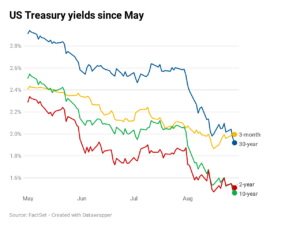
The recent performance of the Indian stock market has been influenced by several factors. Initially, there was buying interest due to the retracement of the 10-year US treasury yield from its 16-year high, briefly falling below 5%. However, the US bond market later saw renewed buying interest, causing the yield to approach 5% once again. Additionally, factors like the Israel-Hamas war, a strong US dollar, selling by Foreign Institutional Investors (FIIs), disappointing Q2 2023 results, and concerns about rising inflation have collectively contributed to the stock market’s decline into the red territory. The stock market downturn, encompassing key indices like NIFTY and Sensex, can be attributed to a multitude of factors, as underscored by financial experts and media reports.
Israel-Palestine Conflict: The Israel-Palestine Conflict has emerged as a pivotal factor in the geopolitical landscape of the Middle East. The ongoing Israel-Hamas war and the deep-rooted tensions have contributed to heightened uncertainty in the region. Beyond its local ramifications, this conflict resonates globally, impacting investor sentiment and market stability. It introduces a complex dynamic, where financial markets are influenced not only by economic factors but also by geopolitical risks. As international news covers developments in the conflict, investors are compelled to reassess their positions, recognizing the potential far-reaching consequences of this enduring issue on economic landscapes worldwide.

US Bond Yields: The surge in US bond yields holds the power to reshape investment dynamics. As these yields rise, they become increasingly appealing in comparison to stocks, encouraging a reallocation of investor capital. This transition towards fixed-income investments has the potential to trigger market fluctuations and downturns. Investors, seeking favourable returns, might shift their focus from equities to bonds, marking a significant pivot in investment strategies. The consequent market declines reflect the intricate relationship between bond yields and stock market performance, a phenomenon subject to ongoing scrutiny by market analysts and investors alike.
Global Economic Uncertainties: Global economic uncertainties exert a substantial influence on the performance of India’s stock markets and key indices. These uncertainties encompass a myriad of concerns, including apprehensions regarding the future trajectory of economic growth and the overall stability of the world economy. It’s crucial to understand that the global economic landscape is highly interconnected, meaning that events in one part of the world can send ripples across India’s financial markets. As a result, these uncertainties have the potential to shape investor sentiment, recalibrate the functioning of the market, and leave their mark on the performance of pivotal stock indices. In this intricate web of economic interdependence, both domestic and international factors intertwine, emphasizing that the state of the global economy can significantly sway the course of India’s markets. It underscores the interwoven nature of the world’s financial systems, where changes in one corner can have far-reaching repercussions, underscoring the need for market participants to navigate these complexities with vigilance and adaptability.

US Dollar Index: The US Dollar Index, which gauges the relative value of the US Dollar compared to foreign currencies, has been consistently above the 106 mark over the past week. Remarkably, this has occurred in the face of the US Federal Reserve’s dovish approach towards raising interest rates. This situation may potentially contribute to the sell-off pressure experienced by equity markets in India. The resilience of the US Dollar, despite the central bank’s cautious stance on interest rate hikes, has introduced a complex dynamic. Investors worldwide are closely observing this scenario as it has raised questions about the impact of the US Dollar’s strength on global financial markets and the potential implications for India’s equity markets.
Profit Booking: Profit booking, a phenomenon where investors decide to sell their stocks to secure their gains, can occasionally trigger short-term market downturns. It’s essential to note that this profit booking tends to transpire when markets are performing well, and investors are sitting on profitable positions. During these periods, investors may decide to cash in on their gains, which can exert a temporary downward pressure on the market. The rationale behind profit booking lies in the desire to safeguard the profits already made, and it often takes place when markets have experienced notable upswings. This dynamic underscores the delicate balance between investor optimism and the need to secure financial gains, which, in turn, can introduce periodic fluctuations in the market.

Crude Oil Prices: The escalating crude oil prices present a notable worry for the Indian stock market, primarily due to the potential for heightened inflation within India. This is particularly concerning if the upward trend in crude oil prices is sustained, which is often influenced by tensions in the Middle East. It’s essential to recognize that India heavily relies on imports for nearly 85 percent of its crude oil demand. Therefore, when crude oil prices rise, it becomes a significant red flag for India’s inflation rate and overall economic stability. This intricate interplay between global oil dynamics and India’s economic landscape underscores the need for vigilant monitoring and strategic measures to mitigate potential adverse effects.

Specific Stock Movements: The individual movements of specific stocks and sectors play a pivotal role in shaping the overall performance of market indices like Sensex. When particular stocks or sectors, like the recent decline in Adani Total shares, experience significant fluctuations, it can send reverberations throughout the broader market indices. These fluctuations are a reflection of the dynamic nature of financial markets, where the fortunes of individual companies or sectors can have a profound impact on the collective market sentiment. As investors react to these specific stock movements, it influences the indices’ overall trajectory, underscoring the intricate interplay between individual stock dynamics and broader market performance.
REFERENCES
https://economictimes.indiatimes.com/
https://www.livemint.com/
https://www.thehindubusinessline.com/
https://www.moneycontrol.com/